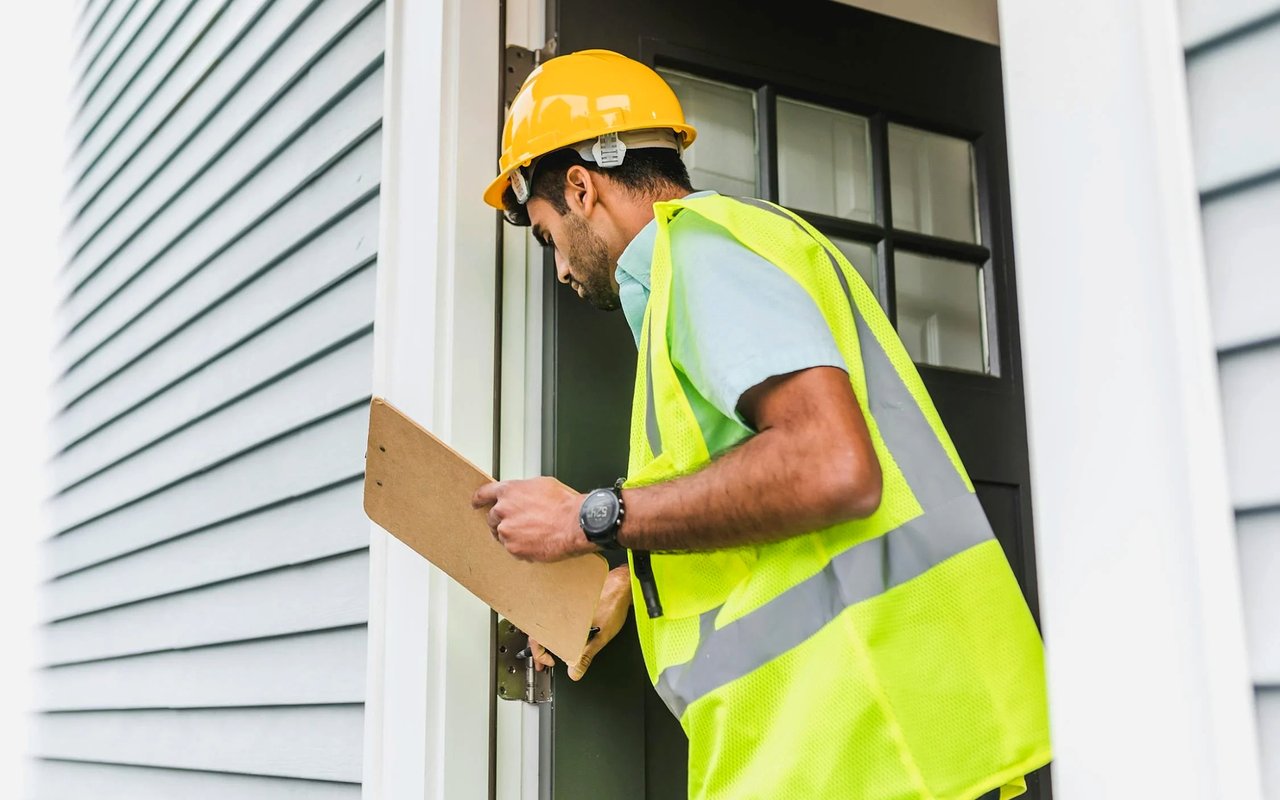
Buying a home is one of the most exciting milestones in a person’s life — but it’s also one of the most significant financial commitments. Whether a first-time buyer or a seasoned homeowner, ensuring the property is in excellent condition is crucial. One of the most effective ways to protect this investment is by getting a home inspection before buying. In Plano’s competitive real estate market, a professional inspection can mean the difference between confidently closing the deal and walking away from a costly mistake.
Understanding the Importance of a Home Inspection
A home inspection is an in-depth evaluation of a property’s structure, systems, and components conducted by a certified professional. This process is designed to uncover existing issues, potential hazards, or maintenance concerns that might not be visible during a typical showing. From the foundation to the roof, a home inspector evaluates key elements such as plumbing, electrical systems, HVAC units, insulation, and more.
Getting a home inspection before buying allows buyers to make informed decisions. The report provides detailed insights into the property’s condition, helping buyers determine if repairs or negotiations are necessary. It also offers peace of mind, confirming that the home is safe and structurally sound.
Getting a home inspection before buying allows buyers to make informed decisions. The report provides detailed insights into the property’s condition, helping buyers determine if repairs or negotiations are necessary. It also offers peace of mind, confirming that the home is safe and structurally sound.
What to Expect During the Home Inspection
A home inspection typically takes two to three hours, depending on the size and age of the property. The inspector examines both the interior and exterior, checking for signs of damage, wear, or improper maintenance. Some of the main areas reviewed include:
-
Roof and Attic: Inspectors look for leaks, damaged shingles, and proper ventilation.
-
Foundation and Structure: Cracks, uneven flooring, or moisture intrusion can indicate structural concerns.
-
Plumbing Systems: They check for leaks, pipe corrosion, and water pressure consistency.
-
Electrical Systems: Proper wiring, circuit functionality, and breaker panel safety are key areas of focus.
-
Heating and Cooling Systems: Ensuring HVAC units are functional and efficient is essential for comfort and cost savings.
-
Appliances and Fixtures: Built-in appliances, faucets, and other systems are checked for operation and condition.
Buyers are often encouraged to attend the inspection. Being present allows them to ask questions and gain firsthand understanding of the property’s strengths and weaknesses.
Common Issues Found During Inspections
Even well-maintained homes can have underlying issues. Some of the most common findings in Plano properties include:
-
Roof wear and tear from Texas weather conditions
-
Foundation settling or cracks due to clay-rich soil
-
HVAC inefficiencies or outdated systems
-
Water damage or leaks in basements, attics, or around windows
-
Electrical issues such as outdated wiring or improper grounding
While these problems can seem intimidating, not all require major repairs. Many are typical maintenance items that can be addressed with negotiation or simple fixes. The key benefit of getting a home inspection before buying is the ability to identify these concerns early and plan accordingly.
The Benefits of Getting a Home Inspection Before Buying
A thorough home inspection benefits buyers in multiple ways:
-
Negotiating Power: The inspection report can serve as leverage in negotiations. Buyers can request repairs, price adjustments, or seller credits based on the findings.
-
Financial Protection: Identifying costly issues before closing prevents unexpected expenses after moving in.
-
Safety Assurance: Inspectors check for potential safety hazards such as mold, carbon monoxide risks, or electrical faults.
-
Future Planning: Even if issues aren’t urgent, the report helps buyers prioritize maintenance and plan for future repairs.
In a market like Plano, where homes often sell quickly, some buyers may consider waiving inspections to make their offers more appealing. However, this approach carries significant risk. Skipping this step could result in unforeseen repair costs or safety problems later.
Choosing the Right Home Inspector
Selecting a qualified, experienced home inspector is vital. Buyers should look for professionals who are licensed and insured, with a reputation for thoroughness and honesty. Asking for referrals from trusted real estate professionals or friends can be a good starting point.
When interviewing inspectors, potential buyers should inquire about:
When interviewing inspectors, potential buyers should inquire about:
-
Experience and Certifications: Inspectors should hold proper credentials and experience with local properties.
-
Inspection Reports: Request a sample report to understand how detailed their assessments are.
-
Additional Services: Some inspectors offer add-on options such as radon testing, termite inspections, or thermal imaging.
Taking time to choose the right inspector ensures a complete and reliable evaluation of the home’s condition.
How to Use the Home Inspection Report
Once the inspection is complete, buyers receive a detailed report outlining the findings, including photos and recommendations. It’s important to review this report carefully with the real estate agent to determine the next steps.
If major issues arise, buyers can:
If major issues arise, buyers can:
-
Request Repairs: The seller may agree to fix specific problems before closing.
-
Ask for a Credit: Instead of repairs, a credit toward closing costs or a price reduction can offset the cost of future work.
-
Reevaluate the Offer: In extreme cases, the buyer may choose to walk away if the home requires more repairs than anticipated.
The report also provides valuable insight into routine maintenance. Even if everything is in good condition, buyers should use the document as a guide for long-term upkeep, ensuring the property remains in excellent shape for years to come.
Special Considerations for Plano Homebuyers
Plano’s housing market is known for its mix of newer builds and established neighborhoods, each presenting unique inspection considerations. In older homes, inspectors may pay extra attention to foundation stability and plumbing materials, while newer properties might be evaluated for proper installation and builder-grade finishes.
The city’s weather patterns — hot summers, occasional storms, and clay-heavy soil — can all impact a property’s structure and systems over time. That’s why local expertise matters when getting a home inspection before buying in Plano. Inspectors familiar with the area’s climate and construction trends can provide more accurate assessments.
The city’s weather patterns — hot summers, occasional storms, and clay-heavy soil — can all impact a property’s structure and systems over time. That’s why local expertise matters when getting a home inspection before buying in Plano. Inspectors familiar with the area’s climate and construction trends can provide more accurate assessments.
Ready to Buy a Home in Plano?
Getting a home inspection before buying is one of the smartest decisions any buyer can make. It’s an opportunity to uncover hidden issues, protect a major investment, and ensure a smooth transition into homeownership. With the right professional guidance and a detailed inspection report, buyers can approach the closing table with confidence, knowing exactly what they’re purchasing.
For expert advice and personalized assistance in Plano real estate, potential buyers are encouraged to reach out to Go Real Estate Group. Their team of knowledgeable professionals is ready to guide clients through every step of the home-buying journey — from inspection to closing — with integrity and care.
For expert advice and personalized assistance in Plano real estate, potential buyers are encouraged to reach out to Go Real Estate Group. Their team of knowledgeable professionals is ready to guide clients through every step of the home-buying journey — from inspection to closing — with integrity and care.