Selling your home in Richardson can feel simple at first. You see homes in the city moving quickly, and it is easy to assume a strong price and a quick cleanup will do the job. But in a balanced market, the details matter. If you want to attract serious buyers, protect your sale from appraisal issues, and launch with confidence, you need a strategy built around pricing, presentation, and preparation. Let’s dive in.
Understand the Richardson market first
Richardson’s market sits in the mid-$400,000s, but the exact number varies by source and method. Zillow reported an average home value of $447,802 as of April 30, 2026, while Redfin reported a March 2026 median sale price of $475,000. That difference is normal because each platform tracks the market differently.
What matters more for you is the bigger picture. Homes are still moving at a healthy pace, with Zillow showing homes going pending in about 14 days and Redfin showing about 30 days on market. Realtor.com described Richardson as a balanced market in March 2026, which means buyers still have choices and sellers need to be thoughtful.
In a market like this, overpricing can slow you down. Zillow also reported a median sale-to-list ratio of 0.983 in March 2026, which means the typical sale closed just under list price. That is a strong reminder that pricing too aggressively can hurt more than help.
Price your home with local comps
The best list price starts with comparable sales, not guesswork. A strong comp should be similar to your home in size, room count, style, condition, site, and legal characteristics. It should also come from the same market area whenever possible.
Fannie Mae guidance also points to a broader view of the market. Closed sales matter most, but contract sales and current listings help show where buyer demand is today. That matters in Richardson because pricing should reflect both what buyers have paid recently and what they can choose from right now.
What makes a comp useful
Not every nearby sale is a good comparison. A useful comp should be close in location, recent in timing, and similar in overall condition and layout. If your home has updates, lot differences, or features that stand out, those need to be considered carefully.
That is why automated estimates should be treated as a starting point, not the final answer. Richardson pricing works best when it is neighborhood-specific and condition-specific. Recent closed sales plus current competition usually give a clearer picture than an online estimate alone.
Why pricing too high can backfire
A high list price can create an appraisal gap if the market does not support it. The Consumer Financial Protection Bureau explains that appraisals are generally based on adjustments between your home and comparable local sales. If a buyer agrees to your price but the appraisal comes in low, the deal can become harder to close.
That risk is especially important for financed buyers. A home can generate interest early, but if the value does not line up with market evidence, the transaction may need a price cut, renegotiation, or extra cash from the buyer. Smart pricing from day one can help you avoid those setbacks.
Focus on the prep buyers notice first
Before buyers look closely at your roof, water heater, or storage space, they notice how the home feels. A clean, bright, cared-for home creates confidence. A cluttered or unfinished one makes buyers wonder what else has been overlooked.
That is why prep work should focus first on presentation. NAR’s 2025 Profile of Home Staging found that 29% of agents said staging increased the dollar value offered by 1% to 10%, and 49% said staging reduced time on market. Buyers’ agents also said staging helps buyers picture the home as their future residence.
Start with the most important rooms
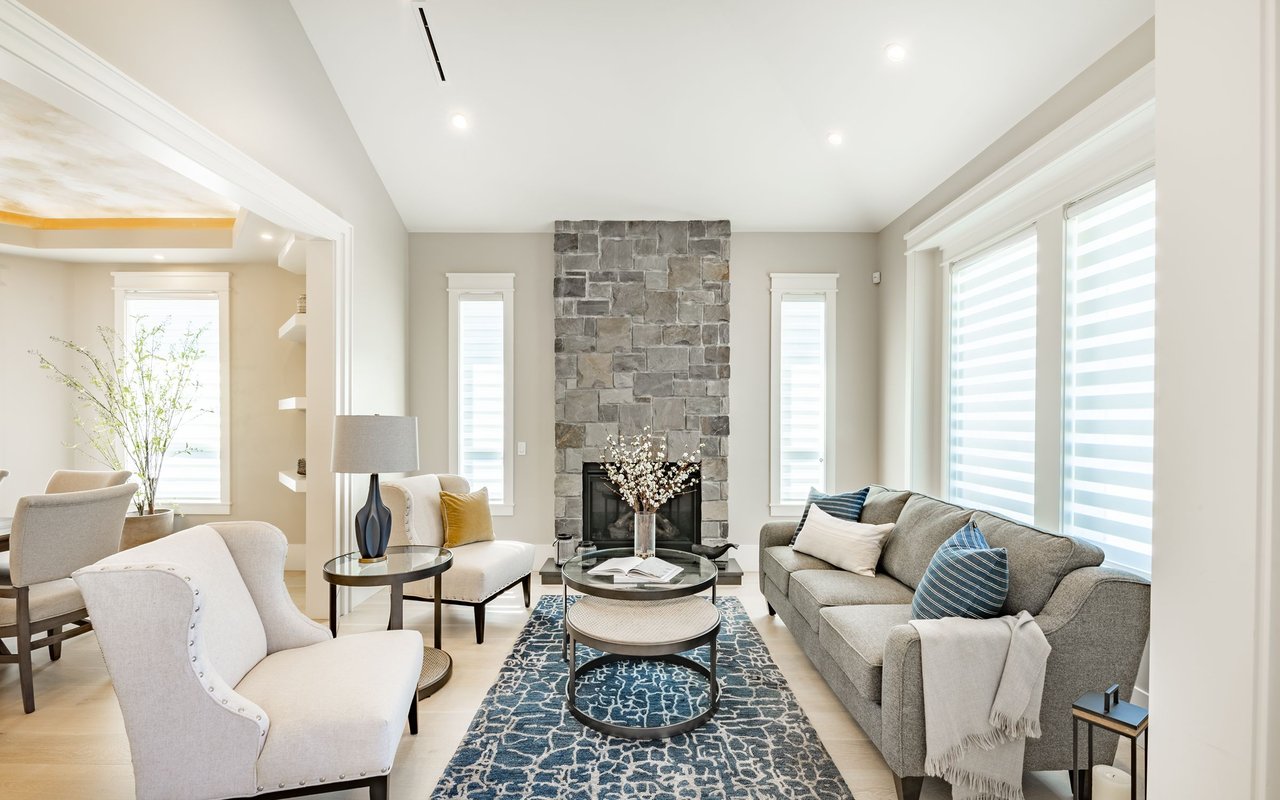
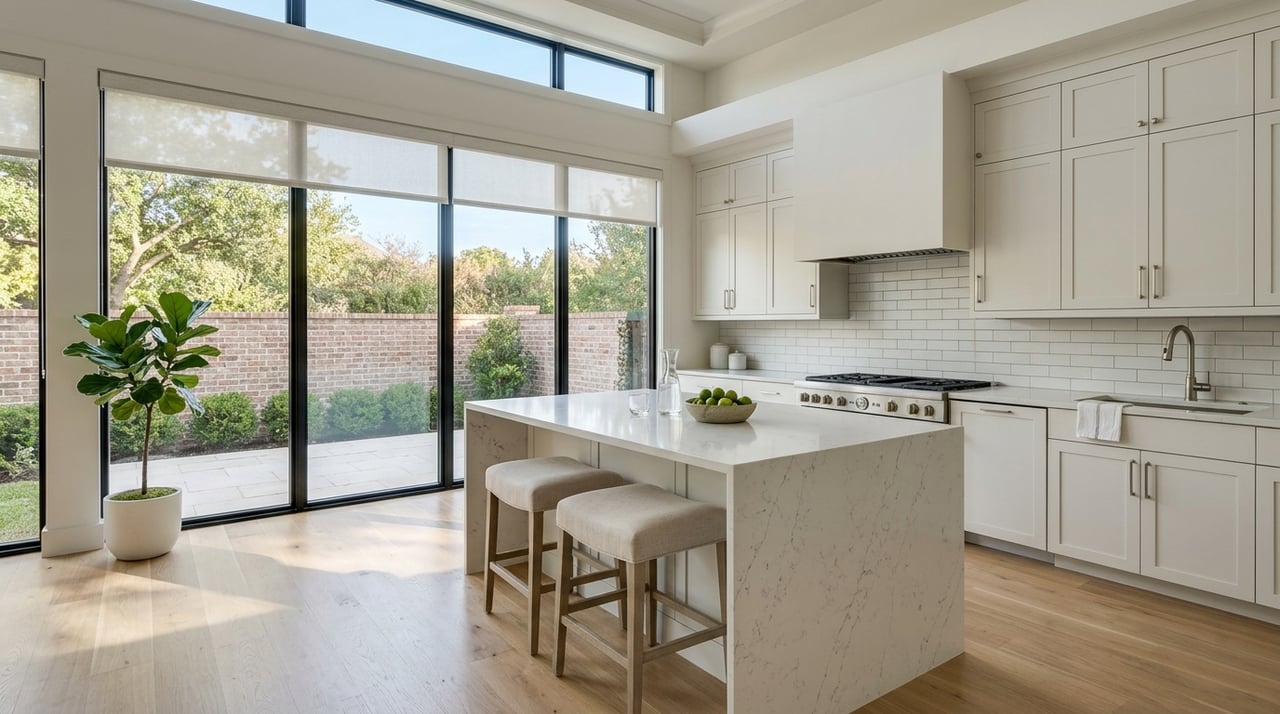
If you are deciding where to spend your time and budget, start with the spaces buyers notice most. According to NAR, the living room, primary bedroom, and kitchen are the most important rooms to stage. Dining rooms are also commonly staged because they help complete the flow of the home.
You do not always need a full redesign. In many cases, simplified furniture placement, fresh bedding, clean counters, and better lighting can make a meaningful difference. The goal is to make each room look open, functional, and easy to understand.
Clean, declutter, and depersonalize
NAR’s 2026 showing advice says sellers should present a home that is tidy and well-kept and should not leave a lot of work for the next buyer. That means deep cleaning, trimming down extra belongings, and taking care of visible wear before your first showings. Buyers tend to respond best when a home feels move-in ready.
A simple pre-listing checklist can help:
- Deep clean floors, windows, kitchens, and baths
- Remove extra furniture that makes rooms feel crowded
- Clear counters, shelves, and entry areas
- Put away highly personal items and excess décor
- Replace burned-out light bulbs
- Touch up obvious scuffs, chips, and nail holes
Choose repairs with clear payoff
Not every update makes sense before you sell. In most cases, broad remodels are less effective than targeted improvements buyers notice right away. Visible, practical upgrades often do more to support your sale than expensive projects with uncertain return.
NAR’s 2025 Remodeling Impact Report highlights this clearly. A new steel front door showed 100% cost recovery, a closet renovation came in at 83%, and a new fiberglass front door came in at 80%. That points sellers toward improvements that boost first impressions and everyday function.
Prioritize high-impact items
If your budget is limited, focus on the areas that affect buyer confidence and curb appeal. The front entry, paint condition, flooring touch-ups, and basic hardware can all shape how your home is perceived. Even small fixes can make the property feel more complete and better maintained.
A practical order of operations often looks like this:
- Fix obvious maintenance issues
- Refresh paint and touch-up surfaces
- Improve curb appeal at the front entry
- Simplify storage areas and closets
- Stage key rooms for photos and showings
Handle Texas disclosures early
In Texas, disclosure prep is not something to leave for the last minute. TREC’s Seller’s Disclosure Notice is required for previously occupied single-family residences under Texas Property Code Section 5.008. The current form has an effective date of May 22, 2026.
The 2026 TREC update includes notice items about current insurance coverage, private roads, aboveground storage tanks over 500 gallons, and conservation easements. Getting this paperwork started early can help you avoid delays once your home hits the market.
HOA information matters too
If your Richardson home is part of a homeowners association, Texas law also requires disclosure of HOA fees or assessments and notice of obligations tied to property owners’ association membership. That information can affect a buyer’s monthly budget and decision-making.
The smoother path is to gather these details before listing. If buyers ask questions during showings or contract negotiations, you will be ready with accurate information instead of scrambling.
Older homes may need lead paint disclosure
If your home was built before 1978, federal law requires lead-based paint disclosures before the sale. Sellers must provide the required pamphlet and share any known records related to lead-based paint.
This also matters if you are doing pre-listing repairs or painting. Renovation, repair, or painting work in pre-1978 homes can create lead dust, so any work should be handled carefully.
Remember Richardson’s county split
Richardson spans both Dallas County and Collin County. That means your property’s location affects which county and appraisal district handle records and tax-related questions. The City of Richardson directs residents to Dallas Central Appraisal District or Collin Central Appraisal District depending on where the property is located.
This may seem like a small detail, but it can matter when you are reviewing property records, tax information, or supporting documents during the listing process. It is one more reason to prepare carefully before launch.
Time your listing around readiness
Many sellers ask when the best week is to list. Realtor.com’s 2026 Best Time to Sell report named April 12 through 18 as the strongest national window, but it also noted that local conditions and mortgage rates matter. In other words, there is no one-size-fits-all date.
For most Richardson sellers, the better strategy is to launch when your home is fully prepared. A clean, well-priced, well-photographed home usually has a better start than one rushed to market just to hit a seasonal target.
Build your sale around a smart launch
When you put all of this together, the path becomes clearer. Richardson appears to be a mid-$400,000s market with relatively quick activity and a balanced feel. That means your strongest approach is a careful one: price from solid comps, present the home well, finish visible repairs, and complete your disclosures before going live.
A strong launch is not about chasing the highest possible number on day one. It is about creating confidence for buyers and reducing friction from showing to contract to closing. If you do that well, you give yourself a better chance to sell smoothly and protect your bottom line.
If you want a more strategic plan for your sale, GO Real Estate can help you evaluate pricing, prep, and next steps with a clear view of both the transaction and your long-term goals.
FAQs
How should you price a home in Richardson, TX?
- You should base your price on recent comparable sales, current competing listings, and your home’s specific condition, size, and features rather than relying only on an automated estimate.
What is the Richardson, TX housing market like in 2026?
- Current reports place Richardson in the mid-$400,000s with relatively quick market times and a balanced market condition, which means buyers have options and pricing precision matters.
What rooms should you stage before selling a Richardson home?
- The living room, primary bedroom, and kitchen are the most important rooms to stage, with dining rooms also commonly staged to improve the home’s overall presentation.
What repairs should you make before listing a home in Richardson?
- Focus on visible, high-impact improvements such as minor repairs, deep cleaning, paint touch-ups, front entry updates, and decluttering rather than large remodels with uncertain return.
What disclosures are required when selling a home in Texas?
- For a previously occupied single-family home, Texas requires the TREC Seller’s Disclosure Notice, and additional HOA disclosures may apply if the property is in a homeowners association.
What if your Richardson home was built before 1978?
- If the home was built before 1978, federal law requires lead-based paint disclosure materials and any known related records before the sale.